Beneath the touristy gloss of India’s forts, beaches, and temples, there are places where history bleeds into the present—a shadowland where the past is not just remembered but relived. This is the world of dark tourism, where travellers walk through the very sites where tragedy once unfolded, seeking not entertainment, but understanding. In a country as vast and as wounded as India, these spaces compel you to confront stories you won’t find in any travel brochure. Here are four places in India where the weight of history still hangs heavy, echoing stories that cannot be silenced.
- Mumbai 26/11 Attack Sites (2008)
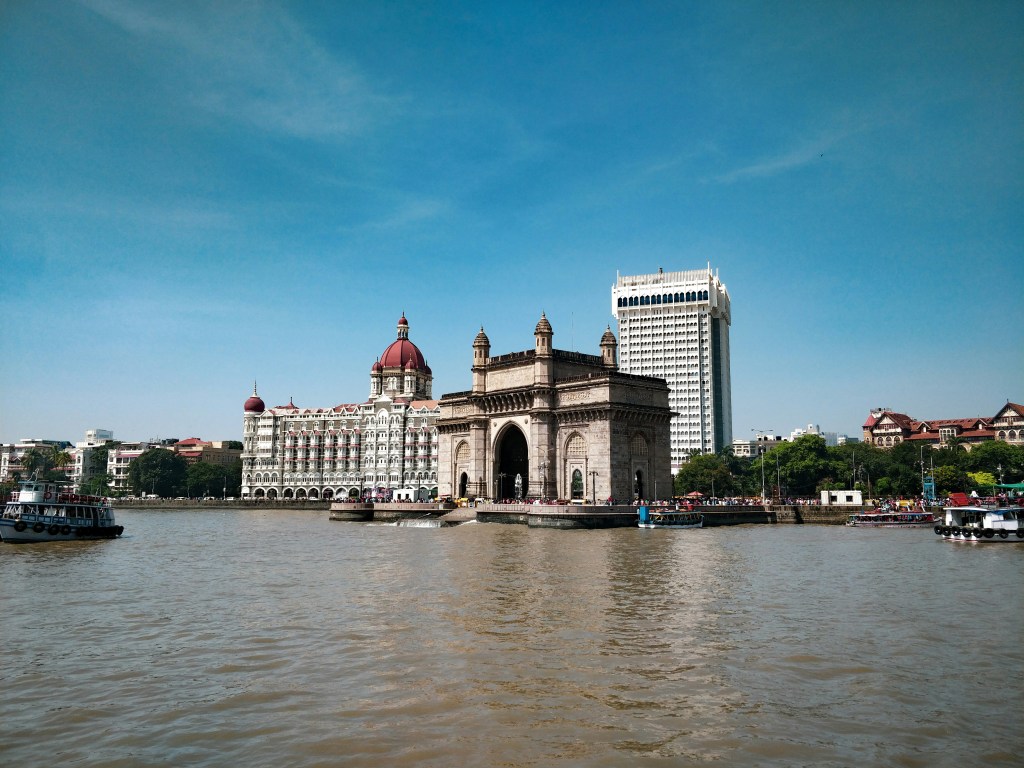
The “City of Dreams” became a city of siege on November 26, 2008, when ten terrorists stormed Mumbai’s icons, killing 166 and wounding hundreds. Today, the Taj Mahal Palace, Oberoi-Trident, Chhatrapati Shivaji Terminus (CST), Nariman House, Leopold Cafe, and Cama Hospital still bear the weight of those 60 hours. Most of these landmarks have been rebuilt and stand as symbols of Mumbai’s resilience. However, bullet marks can still be seen in some corners of the Taj and Leopold Cafe, serving as silent reminders of the events. Visiting these sites evokes a sense of solemnity and respect for the victims and the bravery of those who fought back.
- Jallianwala Bagh (1919), Amritsar
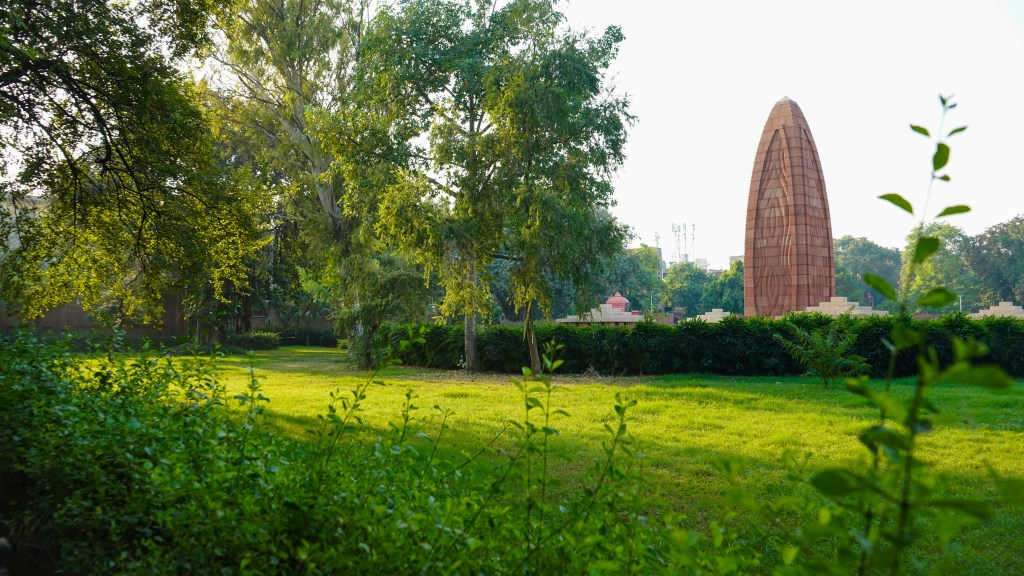
The ground was thirsty that day. On April 13, 1919, a peaceful crowd gathered here—men, women, children, none knowing they’d be trapped in a walled garden and fired upon by British troops under General Dyer. Official estimates list around 379 dead, with roughly 1,200 wounded, although many historians believe the true death toll may have ranged between 500 and 1,500 lives lost. Today, the narrow entrance General Dyer marched through survives, now modernized but still whispering of panic and betrayal. The walls are still riddled with bullet marks, a raw testament to the horror. The Martyrs’ Well, sealed yet visibly there, silently screams of the brutal killings it saw, where desperate souls dropped into its depths. Sculptures of faceless civilians line the passage, echoing history’s unhealed wounds. As dusk falls, a daily light‑and‑sound show draws visitors into that hour of horror, refusing to let this bloodstained soil be forgotten.
- The Bhopal Gas Tragedy (1984)
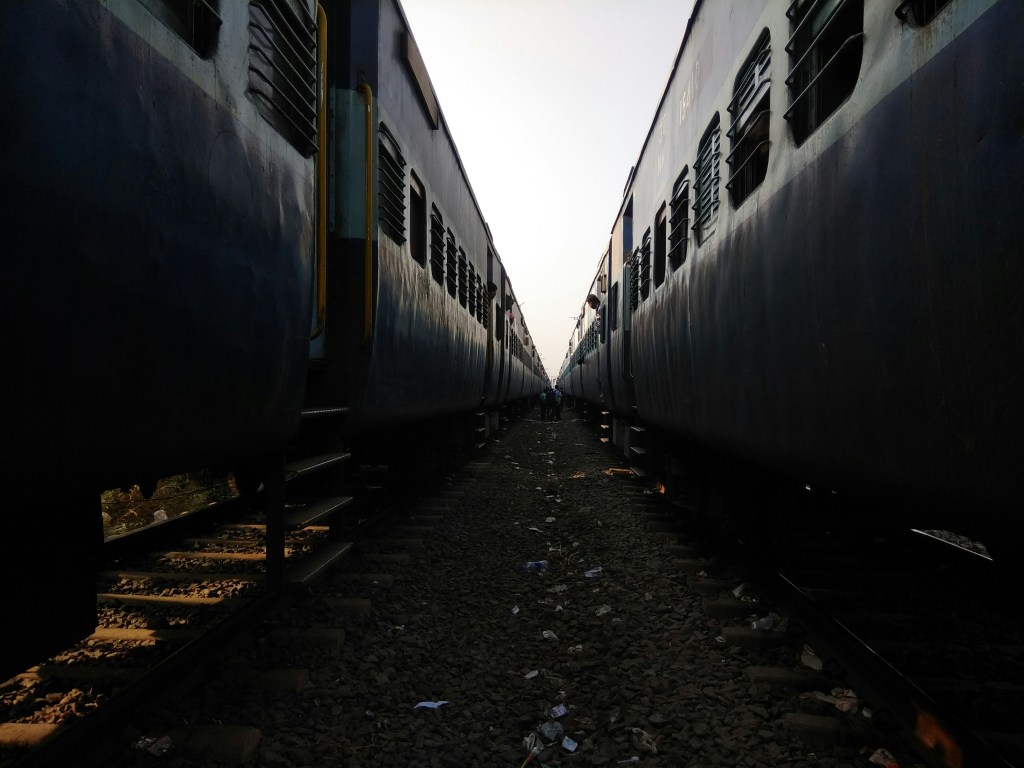
On the night of December 2–3, 1984, silence was pierced by screams as methyl isocyanate leaked from Union Carbide’s Bhopal plant, killing thousands and poisoning generations. The rusting plant remains fenced and toxic, a mausoleum of criminal negligence. While the immediate impact was felt across the city, the Bhopal Railway Station became a crucial point, where railwaymen, most notably deputy station master Ghulam Dastagir, sacrificed their lives redirecting trains and saving others from the encroaching gas. Twenty-six staff never saw the dawn. Today, the platforms and the plant are pilgrimage spots for loss, with the “Remember Bhopal Museum” displaying personal effects, photographs, and haunting testimonies.
- Cellular Jail, Andaman & Nicobar Islands
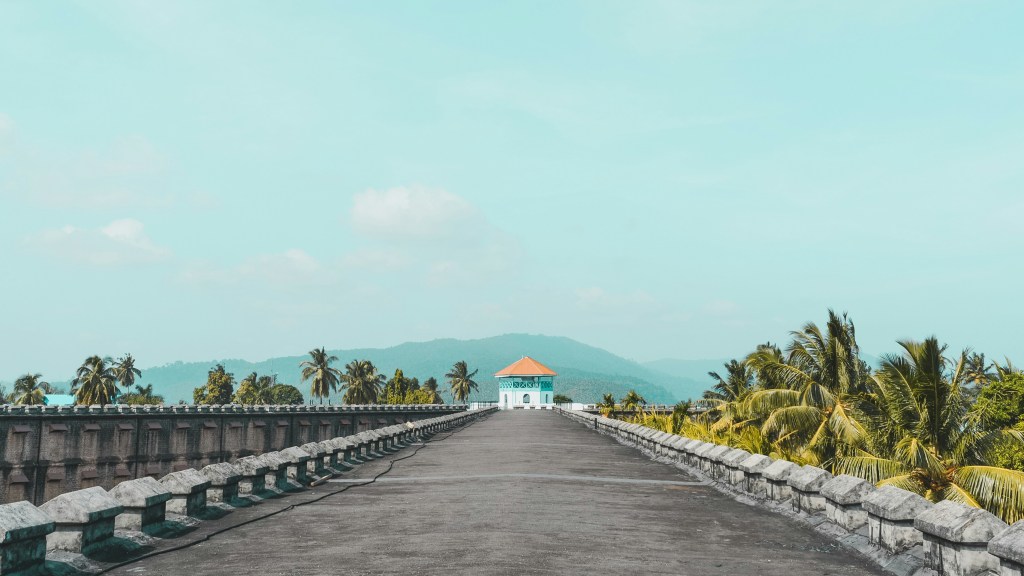
Kala Pani. For India’s freedom fighters, the name was synonymous with exile and torture. The Cellular Jail’s honeycomb of solitary cells, built by the British in 1906, was engineered to break the body and spirit of revolutionaries. Many prominent figures of the independence movement were incarcerated here, facing harsh conditions and brutal treatment. Today, the jail serves as a national memorial, its silent corridors echoing with the sacrifices made for India’s freedom. A visit here offers a powerful insight into the struggles of the past and the resilience of the human spirit in the face of oppression.
To visit these sites is to confront more than the past—it’s to measure the depth of tragedy and resilience in the human story. Standing where people once fell. These places are not just about grief; they’re about memory, justice, and empathy. The ground you walk on asks questions: What would you have done? What will you carry forward? Dark tourism is about acknowledging the darker chapters of history to learn from them and to ensure that such events are never repeated.
 golocus
Leave a comment